Thinking about turning a Delavan Lake condo into a rental? It can be a smart way to offset ownership costs, but only if you understand the rules before you buy or list the unit. In Delavan Lake, rental use is shaped by condo documents, state licensing, local approvals, tax filings, and day-to-day operating requirements. If you want fewer surprises and a clearer plan, this guide will walk you through the key issues to review before you move forward. Let’s dive in.
Start With Condo Rules
Before you think about pricing, platforms, or guest amenities, look at the condominium documents. In Wisconsin, condo bylaws can include rental restrictions, and owners must follow the declaration, bylaws, rules, and later amendments.
That matters because you cannot assume a Delavan Lake condo can be used as a short-term or vacation rental just because other owners rent nearby. The Wisconsin Supreme Court has upheld a bylaws amendment banning rentals when it did not conflict with the declaration or state or federal law, as explained in the Apple Valley Gardens decision.
What to Review in Condo Documents
As you evaluate a unit, ask for the full set of governing documents, including:
- Declaration
- Bylaws
- Rules and regulations
- Any amendments
- Association policies related to guests, parking, pets, docks, and amenities
You will want to confirm whether the association allows rentals at all and whether there are limits on stay length, guest count, parking, or use of lake-related amenities.
Understand Wisconsin Licensing
If you plan to offer a condo for short stays, state-level lodging rules may apply. The Wisconsin Department of Agriculture, Trade and Consumer Protection, or DATCP, says Wisconsin requires a lodging permit for lodging facilities, and its examples specifically include condo units.
DATCP also defines a tourist rooming house as lodging where sleeping accommodations are offered for pay to tourists or transients, including a condo unit. You can review the current framework on the DATCP lodging establishments page.
Why This Matters Early
Licensing is not something to sort out after closing. If your ownership plan depends on rental income, you should know in advance whether the unit and building setup can support the required approvals.
That includes understanding whether your condo falls into a licensing path that involves state review, county review, town review, or all three.
Check Town and County Requirements
For property in the Town of Delavan, multiple approvals may apply. The town’s current short-term rental page lists annual steps that include a state tourist rooming house license, a Walworth County short-term rental application, the town’s short-term licensing application, room-tax forms, and a town business registration application. The town also states that it will not approve or renew a license until all paperwork and payment are received, according to the Town of Delavan short-term rental page.
Because the town page includes a county application among the annual steps, it is wise to verify the exact parcel with both the town and county before closing.
Delavan Short-Term Rental Timing
The town code defines a short-term rental as a residential dwelling offered for rent for fewer than 29 consecutive days. It also states that no owner may lease a short-term rental for more than 10 nights each year unless the owner has a valid residential rental license.
The same code also limits certain stays of more than 6 but fewer than 29 consecutive days to a total of 180 days in any consecutive 365-day period. Town licenses expire on July 31 and are not transferable, as outlined in the Town of Delavan code provisions.
Plan for Taxes and Filing Deadlines
Many owners focus on bookings first and paperwork second. In Delavan Lake, that approach can create problems.
Town materials state that the applicant is responsible for an 8% gross room tax fee due within 30 days of each quarter. The listed quarterly due dates are April 30, July 31, October 31, and January 31, based on the town’s short-term rental application materials.
Wisconsin DOR also says homeowners who furnish lodging to the public for periods of less than one month must report and pay state sales tax, and may also owe county and city sales tax and municipal room tax depending on location. If a marketplace provider such as Airbnb or Vrbo processes the booking, the provider may collect and remit some taxes, but you still need to understand what local filings remain your responsibility.
A Simple Tax Planning Reminder
Before you count on rental income, confirm:
- Which taxes the booking platform collects
- Which taxes you must still file yourself
- What quarterly reports are required
- Who will track deadlines if you are not local year-round
Review County Setup and Occupancy Rules
Walworth County adds another layer of review. County materials say a state license must come first, and the county application requires a site plan, floor plan, property rules, and the state license. The county also says proof of the license and property rules must be posted in a conspicuous location while the property is rented and made available for inspection, according to the Walworth County short-term rental information page.
Occupancy can also be affected by property infrastructure. County materials note that if the property is served by septic, occupancy is limited by the septic system’s capacity or the state license, whichever is less.
Utilities Matter More Than You Think
If a condo uses private well or septic rather than public utilities, well testing and septic review may be part of the licensing process. That means utility type, maintenance history, and replacement risk should be part of your due diligence before you rely on projected rental revenue.
Build House Rules Around Local Enforcement
A Delavan Lake rental needs more than attractive furniture and good photos. It also needs clear, written rules that reflect how the property can actually be used.
County application materials require written property rules that include maximum occupancy, parking, quiet hours from 10 p.m. to 7 a.m., pet policy, outdoor-burning rules, law-enforcement and fire or EMS contact information, garbage instructions, and boating regulations if the property is on a lake. County materials also note that no more than four pets are allowed. The Town of Delavan has also noted that its noise and light ordinances passed in 2021, which reinforces the need for clear guest expectations. You can see that update on the town’s noise and light ordinances notice.
House Rules Should Cover
At minimum, your guest materials should address:
- Maximum occupancy
- Parking instructions
- Quiet hours
- Pet limits and pet policy
- Trash and recycling procedures
- Emergency contact information
- Outdoor burning rules if relevant
- Lake, dock, and boating rules if applicable
Explain Delavan Lake Boating Rules to Guests
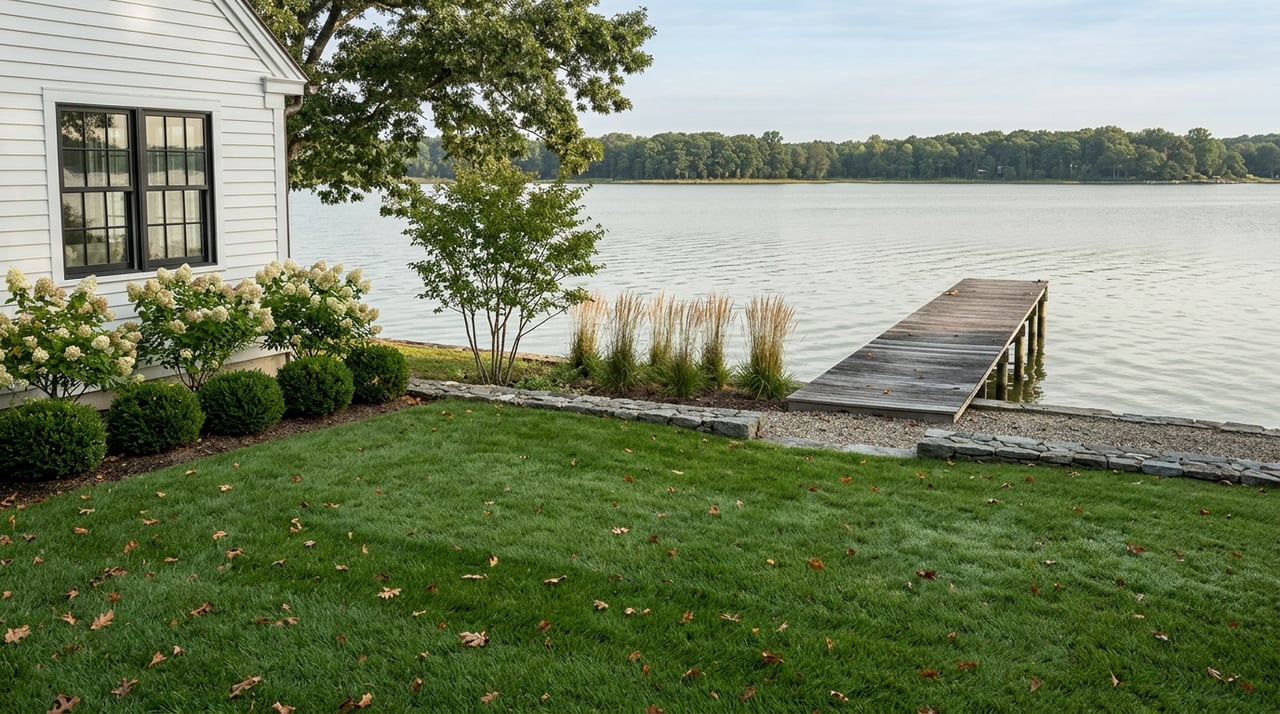
Lake access can be a major reason guests choose a Delavan Lake condo. It can also be a source of confusion if the rules are not explained clearly.
The Town of Delavan requires permits for buoys and rafts, and its pier rules require visible address numbers or subdivision identification on piers. The town also states that overnight mooring or anchoring without a permit is prohibited and identifies slow-no-wake areas at the inlets and outlets, west bays, and within 200 feet of shore around the lake. These details are outlined on the town’s lake regulations page.
Turn Rules Into Guest Instructions
If your condo includes or references a slip, pier access, or nearby launch privileges, your rental guide should explain:
- Whether boat slips or dock use are included
- Where guests may and may not tie up
- No-wake areas and shoreline limits
- Whether overnight mooring is allowed
- Any permit-related restrictions for buoys, rafts, or pier use
Clear instructions can reduce complaints, avoid citations, and help protect your standing with the association and local authorities.
Set Up Operations Before First Booking
A profitable rental is also an operational business. Walworth County requires a designated operator with a 24-hour phone number, and the town states that the owner remains responsible for quarterly reporting even when a marketplace provider handles the booking.
Those local requirements support a practical setup that includes durable furnishings, spare linens, a locked owner storage area, a written turnover checklist, and a calendar system that separates personal use from guest use. For many owners, this is where professional management becomes the easier path.
Why Management Can Help
A professional manager can help with:
- Guest communication and screening
- Turnover inspections and cleaning coordination
- Emergency response
- Required local contact availability
- Tax and filing deadlines
- Posted rules and compliance reminders
That can be especially helpful if you live out of town or plan to use the condo as a second home.
Questions To Answer Before Closing
If you are buying with rental plans in mind, try to get answers to these questions before you commit:
- Do the condo declaration, bylaws, and rules allow short-term rentals?
- Are there minimum-stay, guest-cap, parking, pet, dock, or amenity restrictions?
- Which approvals are required for this exact parcel: DATCP, Walworth County, the Town of Delavan, or all of them?
- What taxes will a booking platform collect, and what filings will still be your responsibility?
- Is the unit on public sewer or a private well or septic system?
- Who will serve as the 24-hour designated operator?
- Are piers, buoys, rafts, boat slips, or launch privileges included, and what local rules apply?
If you are comparing several condos, these questions can help you separate a property that simply looks rentable from one that is realistically workable.
If you are planning to rent out a Delavan Lake condo, the smartest first step is careful due diligence. The right unit can offer flexibility and strong lifestyle value, but only when the association rules, local approvals, tax obligations, and operating plan all line up. If you want help evaluating a condo purchase or understanding how a specific property fits your goals, Tricia Forbeck can help you sort through the details with local insight and practical guidance.
FAQs
Can you use any Delavan Lake condo as a short-term rental?
- No. You need to review the condo declaration, bylaws, rules, and amendments because associations may restrict or prohibit rentals.
What license do you need for a Delavan Lake condo rental?
- Depending on the exact property, you may need a Wisconsin tourist rooming house or lodging approval, plus Walworth County and Town of Delavan applications or licenses.
What is considered a short-term rental in the Town of Delavan?
- The town code defines a short-term rental as a residential dwelling offered for rent for fewer than 29 consecutive days.
What taxes apply to a Delavan Lake short-term rental?
- Town materials list an 8% gross room tax, and Wisconsin also requires state sales tax reporting on lodging of less than one month, with additional local taxes possible depending on location.
Do Delavan Lake rental owners still file taxes if Airbnb or Vrbo collects some taxes?
- Possibly yes. Town materials state owners still need to understand and comply with local filing rules even if a marketplace provider collects and remits some taxes.
What house rules should a Delavan Lake condo rental include?
- County materials require written rules covering occupancy, parking, quiet hours, pet policy, garbage, emergency contacts, outdoor-burning rules, and boating regulations when the property is on a lake.
Do boating and pier rules matter for a Delavan Lake condo rental?
- Yes. Town rules address permits for buoys and rafts, pier identification, overnight mooring, and no-wake areas, so guest instructions should clearly explain any lake-use limits.
Why is a 24-hour contact important for a Delavan Lake rental condo?
- Walworth County requires a designated operator with a 24-hour phone number, which is one reason many owners create a formal management plan or hire professional help.