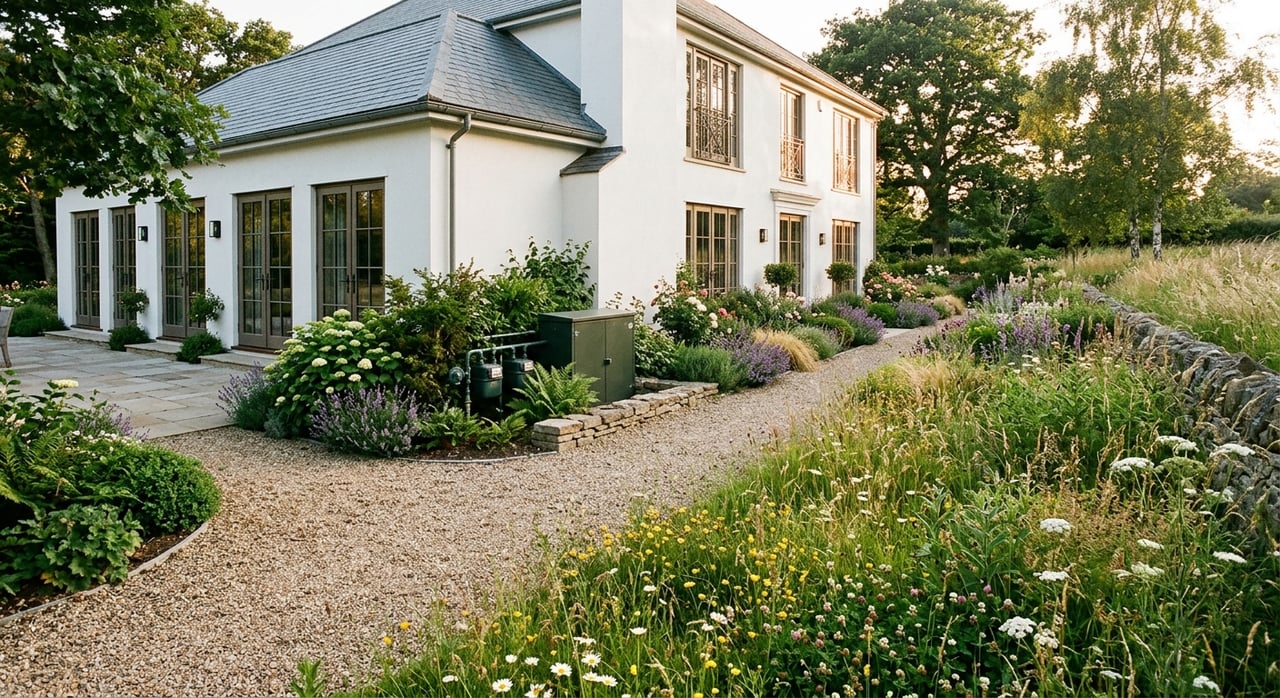
Buying acreage in Linn Township can feel simple at first. You find a beautiful parcel, compare the price per acre, and start picturing the home, barn, or weekend retreat you want to build. But in Linn Township, acreage is really a zoning, access, and infrastructure decision as much as it is a real estate decision. If you want to avoid surprises, it helps to know what to verify before you write an offer. Let’s dive in.
Start With Zoning, Not Just Size
Acreage buyers often assume that more land means more freedom. In Linn Township, that is not always the case.
Walworth County zoning governs unincorporated land in the township, and shoreland zoning can also apply if land is within 1,000 feet of a lake or 300 feet of a stream or channel. The Town of Linn’s land-use plan adds another layer by addressing rural density, conservation subdivisions, and service extensions.
That means parcel size alone does not tell you what can be built, divided, or improved. You also need to know the zoning district, road frontage, shoreland status, and whether utility service is available.
Why One Acreage Parcel Can Differ From Another
Two parcels with similar acreage can have very different rules. Walworth County zoning districts have different minimum lot sizes and intended uses.
For example, the county’s zoning summary lists A-1 at 35 acres and A-2 at 20 acres, with A-2 noted for small farms, horse farms, hobby farms, and tree farms. Conservation and residential districts can have different minimums depending on sewer availability and district type.
The Town of Linn plan also says conservation subdivisions are preferred at about one lot per five acres. Some 1- to 5-acre land divisions may be allowed only in farm-consolidation situations.
County Rules May Not Apply Everywhere
This is an important point for buyers looking near municipal edges. Walworth County notes that non-shoreland extraterritorial zoning around Elkhorn, Williams Bay, and Fontana falls outside county zoning jurisdiction.
In practical terms, the controlling rules can change from one parcel to the next. If you are looking at land near a city or village planning area, confirm early which authority controls the property.
Verify Access Early
Access can be one of the biggest hidden issues on acreage. A parcel may look easy to reach on a map, but legal access and driveway approval still need to be confirmed.
The Town of Linn says site plan approval should address access, parking, and stormwater. It also notes that access should meet WisDOT intersection setback standards and that development should be served from local roads when possible.
Driveways, Culverts, and Road Frontage
If the parcel uses a town road, the Town of Linn Highway Department is part of the picture. Property owners are responsible for the culverts under driveways that access their property, even though the town maintains town roads.
If the parcel fronts a county road, Walworth County Public Works controls construction in county-maintained rights of way. A driveway and culvert permit is required for access work in that corridor.
This matters because driveway installation is not just a construction detail. It can affect timeline, cost, drainage, and whether the parcel can be improved as you expect.
Rural Addressing Has Requirements Too
Walworth County’s rural addressing system connects zoning, driveway status, and emergency address assignment. The county requires an issued zoning permit and a driveway that is marked or staked before assigning a new rural address.
That may not sound like a major issue at first, but it is one more sign that access and permitting should be part of your due diligence long before closing.
Do Not Assume Utilities Are Available
Many acreage buyers picture open land and quiet privacy, then assume sewer or water can be extended later. In Linn Township, that should never be assumed.
The Town of Linn’s land-use plan says sanitary sewer extensions in the Joint Planning Area occur only under a detailed boundary agreement. It also says sewer and water service in A-1 land should only be provided as agreed in that type of agreement.
For many acreage buyers, the practical takeaway is clear. The property may rely on a private well and septic system rather than municipal utility service.
Why This Affects Your Budget
Private systems can work well, but they create a different ownership profile. You will want to review septic records, well history, and any known service needs before moving forward.
If you are comparing acreage options, utility assumptions can quickly change the true cost of ownership. What looks like a value on paper may require more upfront and long-term planning than expected.
Expect Permit Review for Common Improvements
A large parcel does not mean you can build anything you want without review. In Walworth County, many rural improvements still trigger zoning oversight.
A zoning permit is typically required for construction, additions, or alterations that include sheds, decks, carports, retaining walls, and shoreland grading. Accessory structures over 100 square feet are included, and the application must include a plat of survey prepared by a registered land surveyor.
If work begins without permit approval, the county can charge a double fee. That alone makes pre-planning worth the effort.
Barns and Outbuildings Still Need Review
The county’s home-building guidance makes it clear that agricultural barns, silos, storage buildings, and accessory structures fall within zoning review. In other words, acreage does not automatically mean unrestricted outbuilding rights.
Before you buy, ask whether your intended barn, garage, storage building, patio, fence, or grading plan is allowed under the district rules. It is much easier to confirm this before closing than after.
Shoreland Parcels Need Extra Attention
Some of the most appealing acreage in Linn Township includes water proximity, natural features, or wooded edges. Those same features can bring added regulation.
If a parcel falls within shoreland jurisdiction, Walworth County rules become more restrictive. The county’s shoreland guide says the shoreyard extends 75 feet from the ordinary high-water mark, and homes and most storage buildings are prohibited there.
Boathouses, retaining walls, stairways, land disturbance, vegetation removal, and impervious surfaces require additional review. The guide also describes a general impervious surface limit of 15 percent, though some properties may exceed that only through county approval and mitigation.
Environmental Features Can Limit Buildability
The Town of Linn’s land-use policy highlights environmental corridors that include shorelands, wetlands, woodlands, prairies, wildlife habitat, wet soils, and rugged terrain. The plan says development should generally be steered away from those areas.
That is especially important on larger parcels. Sometimes the most attractive part of the land is also the most constrained when it comes to building, grading, clearing, or ongoing maintenance.
Understand the Ongoing Costs of Acreage
The mortgage payment is only part of the story with acreage ownership. Water, wastewater, access, and maintenance often shape the real long-term budget.
For septic systems, Walworth County says every Private Onsite Wastewater Treatment System must be pumped, inspected, and reported to the county every three years. For wells, Wisconsin DHS recommends annual testing for bacteria and nitrate and testing every five years for arsenic and lead. Walworth County also offers private well testing kits for bacteria, nitrate, arsenic, and lead.
Maintenance Adds Up Over Time
The Town of Linn maintains town roads and roadside vegetation, but property owners remain responsible for driveway culverts. Winter road work focuses on keeping town roads passable, not on private improvements.
If the property has a long driveway, slopes, multiple outbuildings, or drainage challenges, budget for plowing, tree trimming, culvert replacement, and runoff management over time. Those costs are normal for acreage, but they should be part of your decision before you buy.
Smart Questions To Ask Before You Make an Offer
Acreage purchases usually go more smoothly when you treat due diligence as part of the property search, not just the contract stage. A few targeted questions can help you spot issues early.
Here are some of the most important questions to ask:
- What zoning district and overlay apply to the parcel?
- Is the land in shoreland, floodplain, or an environmental corridor?
- Is there legal road access, and what permit is needed for the driveway or culvert?
- What do the septic file and well test history show?
- Are the barns, garages, fences, patios, or land improvements you want likely to be allowed before survey and permit review?
Build the Right Team Before Closing
With Linn Township acreage, local review matters. The right professionals can help you understand what is possible before you commit.
Useful contacts may include Walworth County Land Use and Resource Management for zoning and shoreland questions, Walworth County Sanitation for septic records and reporting, the Town of Linn Building Inspector for building permits, the Town of Linn Highway Department for driveway and culvert issues, and the Town of Linn Plan Commission for land-use and development review questions.
You may also need a registered land surveyor, licensed septic professionals, and licensed well professionals to document lot lines, system compliance, and water condition. That kind of local due diligence can help you move forward with more confidence.
If you are considering acreage in Linn Township, it helps to have local guidance that goes beyond the listing sheet. Tricia Forbeck can help you evaluate land, ask the right pre-offer questions, and navigate the details that matter before you buy.
FAQs
What should you check before buying acreage in Linn Township?
- You should confirm zoning, shoreland status, environmental constraints, legal access, driveway or culvert permit needs, and the well and septic history before making an offer.
Does large acreage in Linn Township mean you can build anything you want?
- No. Walworth County zoning and Town of Linn land-use policies can limit what you can build, where you can build it, and whether structures or site work need permits.
Do acreage properties in Linn Township usually have municipal sewer and water?
- Not always. Many acreage properties may rely on private well and septic systems, so utility availability should be verified parcel by parcel.
Are barns and outbuildings regulated on acreage in Linn Township?
- Yes. Walworth County zoning review can apply to barns, storage buildings, garages, sheds, and other accessory structures, including many improvements over 100 square feet.
Why is shoreland status important for Linn Township acreage?
- Shoreland status can add stricter rules for setbacks, grading, vegetation removal, retaining walls, stairways, boathouses, and impervious surface coverage.
What ongoing costs come with owning acreage in Linn Township?
- Common long-term costs include septic pumping and inspection, well testing, driveway and culvert maintenance, snow removal, drainage upkeep, and tree trimming.